

The Forgotten Stories of the Textile Revolution
Part 1 ***
The Barber's Dream: The Anatomy of an Invention
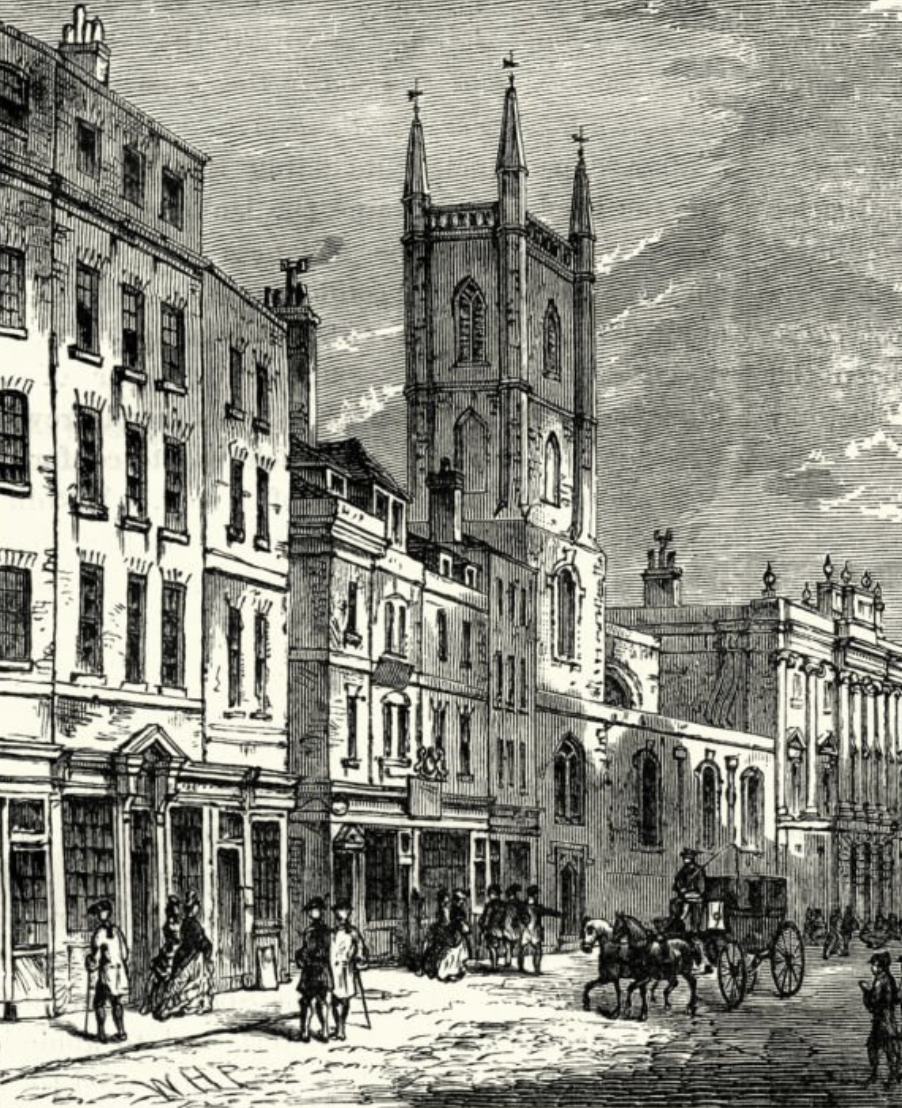
A street in Lancashire, 1730s
A Winter Morning
On a cold winter morning in 1733, the lights of John Kay's barber shop in the misty streets of Lancashire lit up earlier than usual. As he cut his customers' hair, the scene outside the window was always the same: two weavers in the opposite workshop, tossing the shuttle back and forth with their tired arms.
"Every day the same scene," Kay thought as he sharpened his razor. "Two men, for hours, just for a single piece of fabric..."
The Secret Behind the Shop
In the evenings, after hanging the "CLOSED" sign on the shop door, Kay's life took a different turn. In his hidden basement workshop, he worked for hours by the flickering light of candles. Under the worried gaze of his wife Jane, he experimented with a strange-looking device.
"John," Jane often said, "why do you exhaust yourself so much? Isn't barbering going well?"
Kay would just smile. "This is different, Jane. This will change everything."
The First Trial
One day, a loud noise came from Kay's workshop. When Jane ran downstairs, she found her husband dancing with a peculiar device in his hand. Kay had a wild grin on his face.
"I did it, Jane! I can launch the shuttle across with a single motion!"
This was the first successful test of what would go down in history as the "flying shuttle."
The Cost of Change
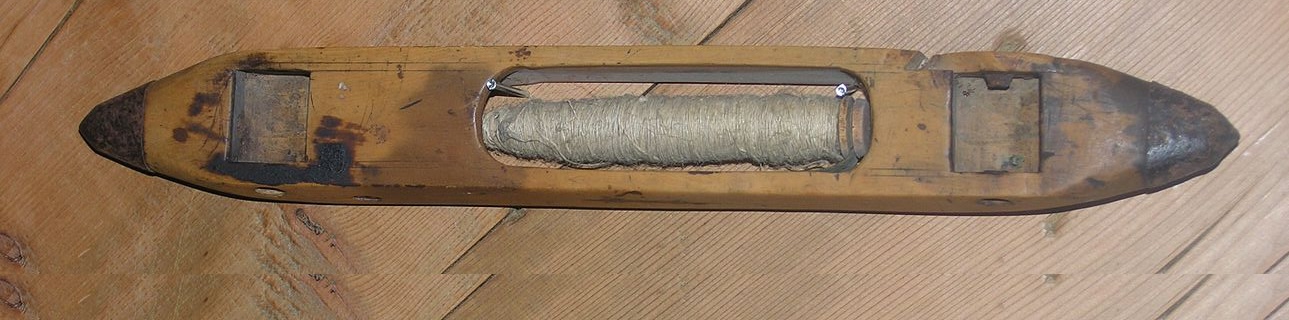
An image of an old flying shuttle
The news spread quickly. Kay's invention sped up fabric production fourfold. A single worker could do the job that previously required two people. But this success came at a high price.
One night, an angry mob stormed Kay's house. "He's stealing our jobs!" they shouted. "Break the machines!"
Kay and his family had to flee through the back door. They took only a few belongings and the precious plans of his invention.
Years in Exile
Forced to flee to France, Kay opened a small shop in the backstreets of Paris. While his invention revolutionized England, he lived in poverty in a foreign country.
An interesting note: When King Louis XV of France learned about Kay's situation, he granted him a small pension. In his final years, this was Kay’s only income.
Unknown Details
There are some lesser-known details about Kay’s story:
- His wife Jane was injured on the arm while testing the first prototype
- He dictated the patent application to his daughter Mary because he was illiterate
- He died in Paris in 1764 without seeing the success of his invention
The Technological Revolution Begins
Kay's simple yet formidable invention triggered a domino effect in the textile industry. The flying shuttle:
- Increased production speed fourfold
- Standardized fabric quality
- Inspired future inventors
Reflections Today
Today, traces of Kay’s invention can be found in every piece of fabric we use...
Next week: "The Mystery of the Spinning Jenny" - The unforgettable story of James Hargreaves and the Spinning Jenny...
Sources:
- Lancashire Regional Archives,
- Letters from the Kay Family,
- Patent Records (1733),
- Period Newspapers
- Wikipedia
Yorum Yap