
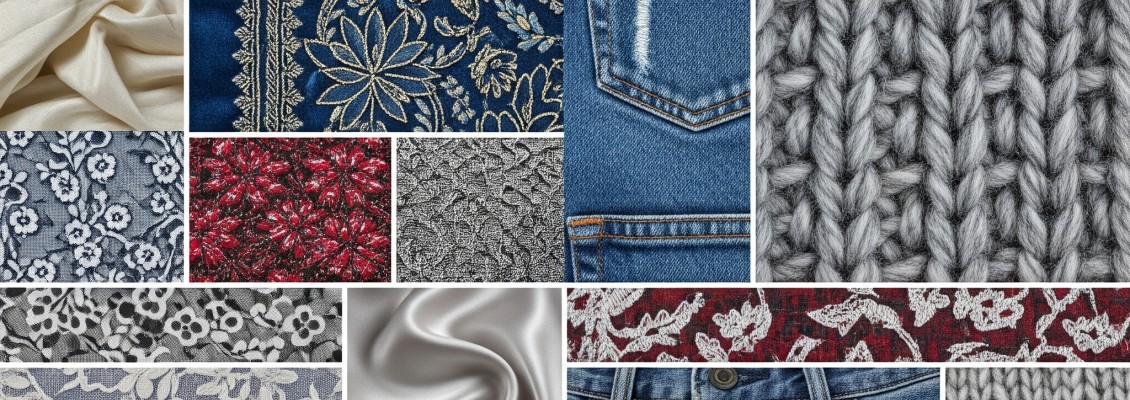
Discover the Artistry of Textiles: Woven and Knitted Fabrics
Are you ready to explore the endless creativity and diversity of the textile world? From the texture of fabrics to their embellishment techniques, each offers unique properties that give garments, home textiles, and accessories a distinct identity. Here’s a detailed guide adorned with select techniques and materials from the magical world of woven and knitted fabrics.
Woven Fabrics: The Artistic Dance of Yarns
Woven fabrics are durable and structurally diverse textile products created by interlacing yarns in a specific pattern, passing over and under each other. Each weaving technique imparts a different appearance, hand-feel (touch), and functionality to the fabric.
Core Weaving Techniques and Special Touches
WOVEN Basic: This category covers the most common types of weaves. Fabrics made with fundamental weaves like plain weave, twill, and satin are widely used from daily wear to home textiles. They are known for their sturdy construction and versatility.
Broderie (Embroidery): An elegant embroidery technique where patterns, often perforated and lace-like, are created on fabric using threads. It brings a chic and romantic touch, especially to summer dresses, blouses, and children's wear.
Devore: A technique that creates transparent patterns by chemically burning off fibers in specific areas of the fabric. It's often applied to fabrics composed of two different fibers, like velvet or silk, offering a striking aesthetic with its transparent/opaque contrast. Commonly seen in evening wear and scarves.
Digital Print: The process of directly transferring designs and colors onto fabrics using computer-aided machines. It allows for unlimited color options and the application of complex patterns in high resolution, enabling personalized and artistic designs. Ideal for unique products in fashion and home decor.
Carpet Weave: A special weaving technique used in carpet making. Thick and durable yarns are tightly woven to create long-lasting and artistic pieces for both floor coverings and wall decor.
Quilting: The process of placing fiberfill or padding material between two layers of fabric and creating patterns with special stitching. This technique adds volume, warmth, and a decorative look to the fabric. It combines aesthetics and functionality in coats, bedspreads, and bags.
Cut Jacquard: A special type of fabric produced on jacquard looms, where specific areas of the patterns are cut to create a raised effect. This cutting process gives the fabric a unique textural richness and a luxurious appearance.
Lacquer: The process of applying a shiny, smooth layer (usually polyurethane-based) to the fabric surface. It gives the fabric a polished, glossy, and sometimes slightly sticky texture. It creates a modern and eye-catching style, especially in jackets and bags.
Embroidery: Decorative needlework done with threads on fabric. It can be applied by hand or machine and adds personal and artistic value to the product by incorporating designs, logos, or motifs.
Organza: A fabric known for its thin, transparent, and slightly stiff structure, typically woven from silk or synthetic yarns. It reflects light beautifully and is preferred for voluminous, ornate designs. Especially used in evening gowns, tulles, and for decorative purposes.
Puff (Woven): A technique that creates raised, three-dimensional patterns on the surface of a woven fabric. It adds fullness to the fabric and a distinct tactile experience.
Sequin (Woven): Shimmery fabrics created by directly integrating sequins into the weave. They create a dazzling effect in evening wear and stage costumes.
Rotary Print: An industrial printing method where patterns are transferred onto fabric using cylinders. It's ideal for large-scale production and allows for quick application of repeating, complex designs.
Fringe (Woven): Decorative tassels formed by leaving yarns loose at the edges of the fabric. It's used to add a bohemian or ethnic touch, especially to scarves, skirts, and home textile products.
Chiffon: An elegant fabric known for its thin, lightweight, transparent, and draped structure, typically woven from silk or synthetic fibers. It allows for air circulation and provides a graceful look, especially in evening dresses, scarves, and blouses.
Suede (Woven): A fabric that mimics the texture of real suede leather, typically woven from synthetic fibers (microfiber). It has a soft, velvety surface and is used in jackets, skirts, and accessories.
Suzine: A weaving or embellishment technique, usually made with fine, shiny threads, adding a subtle shimmer to the fabric.
Foil (Varak): The process of adhering a shiny metallic (usually gold or silver colored) foil layer to the fabric surface. It adds a luxurious and eye-catching sparkle to garments and accessories.
Voile: A very thin, lightweight, semi-transparent, and plain-woven fabric. It's typically produced from cotton or cotton-blend yarns. It's preferred for breathable and light products like headscarves, summer blouses, and intimate apparel.
Knitted Fabrics: The Realm of Flexibility and Comfort
Knitted fabrics are flexible and comfortable textile products created by interlacing yarns into loops. Due to their ability to conform to the body, they are widely preferred for everything from sportswear to daily wear.
Core Knitting Techniques and Textural Diversity
KNITTED Basic: This category covers the most common types of knits. Fabrics made with fundamental knits like jersey, rib-knit, and interlock are used in comfort-oriented products ranging from t-shirts to tracksuits, and from underwear to baby clothes.
Bronzing & Lamb (Kuzu): Knitted fabrics where metallic luster (bronzing) processes are applied to the fabric surface or soft, fluffy (lamb effect) textures similar to lamb's wool. It creates warm and eye-catching pieces, especially in autumn/winter collections.
Lace (Knitted): Decorative fabrics created with knitting techniques, often featuring open and perforated patterns. They offer an elegant touch in dress details, lingerie, and home textiles.
Leather & Lamb (Knitted): Special fabrics that mimic the texture of real leather or suede but possess the flexibility of knitting. Sometimes combined with real leather pieces or enhanced with lamb's wool texture. Used in jackets, pants, and accessories.
Flock: The process of creating a velvety or fuzzy texture on the fabric surface by electrostatically adhering short fibers (flock fibers). It adds softness and a rich appearance to the fabric.
Hologram: The process of applying three-dimensional, color-changing, and light-reflecting effects to the fabric surface using a special film layer or printing technique. It creates a futuristic and striking style, especially in stage costumes, party wear, and accessories.
Velvet (Knitted): A fabric produced by knitting, with a short, dense, and soft pile on its surface. It stands out with its draped structure and luxurious appearance. Used in evening dresses, home textiles, and upholstery fabrics.
Cashmere-like (Kaşe) (Knitted): A type of thick, warm, and durable knitted fabric typically made by tightly knitting wool or wool-blend yarns. It's preferred for coats, overcoats, and dresses ideal for cold weather.
Fur (Knitted): Fabrics that imitate the look of real fur but are produced from synthetic fibers using knitting techniques. With their soft and fluffy structure, they offer a warm and chic alternative in coats, vests, and accessories.
Embroidery (Knitted): Decorative needlework done with threads on knitted fabric. Due to the flexible nature of knitted fabric, it's important that the embroidery is also suitable for this flexibility.
Plush: A type of knitted fabric with long, soft, and dense pile, usually made from synthetic fibers. Used in toys, blankets, and some clothing items.
PU (Polyurethane Coating): The process of applying a polyurethane layer to the knitted fabric surface to give it a leather-like glossy or matte appearance. It offers both flexibility and water repellency.
Raschel: A type of lightweight and durable knitted fabric produced on a special knitting machine, often featuring perforated, mesh, or lace-like patterns. It's used in curtains, sportswear, linings, and packaging materials.
Lurex (Knitted): Shimmery fabrics created by directly integrating lurex (metallic) yarns into the knit. It adds a sparkling touch, especially to evening wear, sweaters, and accessories.
Suede & Soft Detailed (Knitted): Knitted fabrics where processes are applied to the surface to give it a suede texture or where generally very soft and pleasant-to-the-touch details are added. Comfort and a luxurious feel are prioritized.
This rich diversity in the textile world provides endless inspiration for designers, while offering consumers aesthetic and functional products suitable for every need and taste. Each technique and material is a unique detail that tells the story of garments and other textile products.
Yorum Yap